
 See Our Latest Article on HelloNation
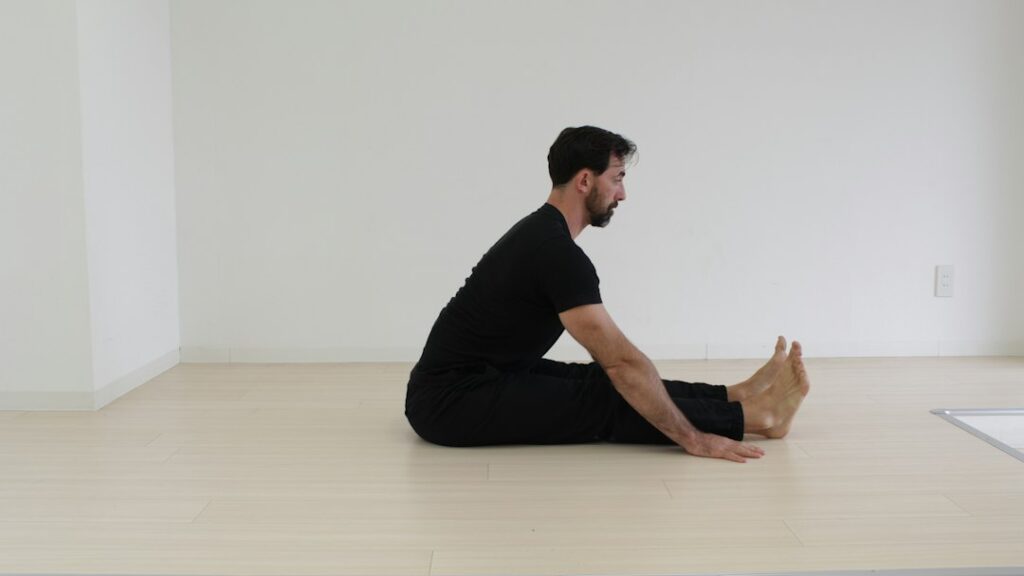
Mobility is the ability to move a joint or body region comfortably through the range needed for daily activities. It is different from flexibility alone: flexibility describes how much a muscle can lengthen, while mobility also depends on joint movement, strength, balance, coordination, and confidence.
For residents of Eastchester, NY, a short home routine can be useful after long periods of sitting, commuting, household work, or reduced outdoor activity during cold weather. The goal is not to force a stretch or “loosen” the body aggressively. The goal is to practice controlled, comfortable movement regularly.
What should a basic mobility routine include?
A practical routine should move several areas gently: the neck, shoulders, upper back, hips, ankles, and spine. Most exercises can be performed standing or seated, depending on balance and comfort.
Begin with three to five minutes of easy movement, such as walking around the room, marching slowly in place, or moving the arms through a comfortable range. Warm muscles and joints generally tolerate movement better than a body that has been still for a long time.
Move slowly enough to notice how the body responds. Smooth motion is more useful than trying to reach a particular distance.
Which exercises can help the neck and shoulders?
Gentle neck turns
Sit or stand tall with the shoulders relaxed.
- Turn the head slowly to the left until a mild stretch or comfortable limit is felt.
- Return to the center.
- Turn slowly to the right.
- Repeat three to five times per side.
Avoid pulling on the head or dropping the chin forcefully toward the chest. The movement should feel controlled rather than intense.
Shoulder circles
Let the arms rest by the sides. Circle both shoulders upward, backward, and down, then reverse the direction.
Perform five to ten circles in each direction. This may be especially helpful after reading, computer use, driving, or work that keeps the arms in front of the body.
Wall-assisted arm reach
Stand facing a wall with one hand placed lightly against it. Slide the hand upward only as far as comfortable, then lower it slowly. Repeat five to eight times on each side.
Do not force the arm overhead if there is sharp pain, catching, or a feeling of instability.
How can the upper back and spine move more comfortably?
Seated upper-back rotation
Sit near the front of a sturdy chair with both feet on the floor. Cross the arms over the chest or place the hands on the thighs.
Turn the chest gently to one side without lifting the hips. Return to the center and repeat on the other side. Perform five repetitions per side.
The movement should come from the upper back rather than from twisting the knees or feet. Keep the motion small if the lower back feels sensitive.
Cat-cow movement
Use a firm surface with the hands beneath the shoulders and knees beneath the hips. If kneeling is uncomfortable, perform a similar movement while seated.
- Slowly round the back while allowing the head to follow naturally.
- Then gently lift the chest and allow the back to extend without collapsing into the lower spine.
- Move between the two positions five to eight times.
This exercise should feel like a gradual wave through the spine, not a deep backbend.
What are simple hip and lower-body mobility exercises?
Sit-to-stand
Use a sturdy chair that will not slide. Sit with the feet about hip-width apart. Lean the chest slightly forward and stand up without pushing off with the hands if possible. Sit down slowly.
Try five repetitions. This exercise combines hip, knee, and ankle movement with practical leg strength. It can be adjusted by using the armrests or placing a cushion on the seat to reduce the depth.
Hip shift
Stand behind a chair and hold it lightly for balance. Keep the feet facing forward while shifting the hips gently to the right and then to the left.
Repeat five to ten times per side. Keep the movement comfortable and avoid leaning so far that balance becomes uncertain.
Supported knee lift
Hold the back of a stable chair. Lift one knee a few inches, lower it, and repeat on the other side.

Perform five to ten repetitions per leg. This encourages hip movement and challenges balance without requiring a large step.
How can ankle mobility support walking and stairs?
Ankle circles
Sit or stand with support nearby. Lift one foot slightly and slowly circle the ankle in both directions.
Complete five circles each way, then switch sides. Keep the lower leg relatively still so the movement comes from the ankle.
Calf raise with support
Stand behind a chair or near a countertop. Rise onto the balls of the feet, pause briefly, and lower the heels with control.
Begin with five to ten repetitions. This movement supports the muscles used for walking, stairs, and maintaining balance. It may also help prepare the lower legs for more activity after a period of inactivity.
Heel-to-toe rocking
Hold a stable surface. Shift gently from the heels toward the balls of the feet, then return.
Repeat eight to ten times. Keep the feet planted and use only a small range if balance is limited.
How often should these exercises be done?
Consistency matters more than a long session. A five- to ten-minute routine performed several times per week may be easier to maintain than an intense session done rarely. Some movements can also be used as brief breaks during the day.
A simple schedule might look like this:
- Morning: neck turns, shoulder circles, and ankle circles
- During a work or household break: upper-back rotations and a short walk
- Evening: sit-to-stands, supported knee lifts, and gentle spinal movement
Mobility exercises should complement ordinary activity such as walking, carrying light household items, changing positions, and using stairs when appropriate. They are not a replacement for medical treatment or a tailored exercise program after an injury.
Should mobility exercises hurt?
A mild pulling sensation, stiffness, or effort can be normal. Sharp, stabbing, burning, or increasing pain is not a useful target. Stop an exercise if it produces pain, dizziness, unusual shortness of breath, numbness, weakness, or a sense that a joint may give way.
Avoid bouncing during stretches and avoid forcing a joint to match the movement of the other side. Bodies are not perfectly symmetrical, and a smaller comfortable range is preferable to an aggressive one.
People with a recent injury, significant joint swelling, balance problems, neurological symptoms, recent surgery, or a health condition affecting exercise tolerance should obtain individualized medical guidance before starting a new routine. Sudden severe weakness, loss of coordination, chest discomfort, or difficulty breathing requires urgent medical attention.
What common mistakes reduce the benefit?
The most common mistake is treating mobility like a test of toughness. Pushing farther is not automatically better. Other problems include holding the breath, moving too quickly, exercising on a slippery floor, and practicing difficult movements without nearby support.
Clear a small area, wear comfortable clothing, and keep a sturdy chair or countertop within reach. During icy or wet seasons, indoor mobility work can provide a safer alternative to outdoor movement when walking surfaces are poor.
A useful routine leaves the body feeling gently moved, not aggravated. The best starting point is a few controlled exercises that can be repeated comfortably and adjusted as movement becomes easier.
