
 See Our Latest Article on HelloNation
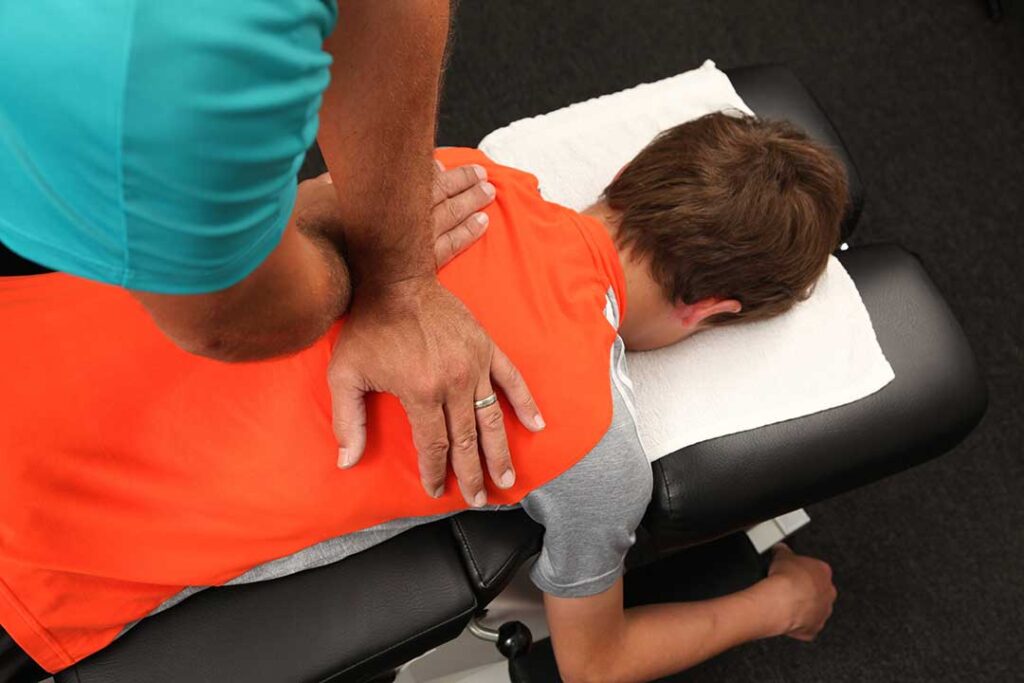
Nerve compression can begin with subtle symptoms that are easy to dismiss: occasional tingling in the fingers, a burning sensation in the foot, or pain that travels from the neck or lower back into an arm or leg. Recognizing these changes early can help residents of Eastchester, NY understand when a symptom may be related to an irritated or compressed nerve rather than ordinary muscle soreness.
What does nerve compression feel like?
Nerve compression occurs when pressure from nearby muscles, joints, bones, tendons, scar tissue, or a spinal disc interferes with normal nerve function. The symptoms depend on which nerve is affected and where the pressure occurs.
Early signs commonly include:
- Tingling or “pins and needles”
- Numbness or reduced skin sensation
- Burning, electric, or shooting pain
- Pain that travels along an arm or leg
- A feeling of heaviness or weakness
- Increased symptoms in certain positions
- Symptoms that are worse at night or after prolonged sitting
A compressed nerve in the neck may cause symptoms into the shoulder, arm, hand, or fingers. Pressure in the lower back can send pain, tingling, or numbness into the buttock, thigh, calf, or foot. Compression outside the spine can affect areas such as the wrist, elbow, hip, ankle, or shoulder. ([mayoclinic.org](https://www.mayoclinic.org/diseases-conditions/pinched-nerve/symptoms-causes/syc-20354746?utm_source=openai))
Which symptoms are easy to overlook?
The earliest warning sign is often not severe pain. It may be a change in sensation that comes and goes.
For example, a person may notice that one hand becomes numb while reading, driving, sleeping, or using a keyboard. Someone with lower-back-related nerve irritation may feel a brief shock down the leg when bending, coughing, or standing after a long period of sitting. A foot may feel unusually warm, cold, prickly, or “asleep” even though there is no obvious injury.
Nighttime symptoms deserve attention as well. Wrist nerve compression, including carpal tunnel syndrome, commonly produces numbness, tingling, burning, or aching in the hand and fingers, especially when the wrist stays bent during sleep. Early symptoms may improve after changing position, but recurring episodes suggest that the underlying irritation has not fully resolved. ([medlineplus.gov](https://medlineplus.gov/carpaltunnelsyndrome.html?utm_source=openai))
How is weakness different from ordinary soreness?
Weakness is more concerning than discomfort alone because it may indicate that a motor nerve is being affected. A person may begin dropping objects, struggling to open jars, turning keys with difficulty, or finding that one hand tires faster than the other.
In the leg or foot, early weakness may appear as:
- Tripping more often
- Difficulty walking on the toes or heels
- A foot that catches on the floor
- Trouble climbing stairs
- A knee that feels unreliable
- Reduced balance on one side
Pain can make movement feel difficult, but true nerve-related weakness may remain even when pain is mild. Persistent weakness should be assessed rather than monitored indefinitely because prolonged pressure can contribute to continuing nerve dysfunction. ([mayoclinic.org](https://www.mayoclinic.org/diseases-conditions/pinched-nerve/symptoms-causes/syc-20354746?utm_source=openai))
What everyday situations can contribute to nerve irritation?
Nerve symptoms may develop after an obvious event, such as a fall, lifting injury, or collision. They can also appear gradually through repeated positioning or pressure.
In a dense suburban community such as Eastchester, residents may spend long periods seated in cars, at desks, or on trains, then shift quickly into household tasks, yard work, exercise, or snow and ice cleanup during colder months. These changes in activity do not automatically cause nerve compression, but prolonged neck flexion, awkward wrist positions, repetitive gripping, and heavy lifting can aggravate an already sensitive area.
Other possible contributors include:
- A herniated or bulging spinal disc
- Arthritis-related bone changes
- Swelling around a tendon or joint
- Repetitive hand or arm movements
- Direct pressure from a cast, brace, or crutches
- Diabetes or other conditions that affect nerves
- Prior injury or scar tissue

Tingling and numbness have many possible causes, including circulation problems, vitamin deficiencies, medication effects, shingles, migraine, and neurological conditions. Symptoms should not automatically be labeled a “pinched nerve” without considering these alternatives. ([medlineplus.gov](https://medlineplus.gov/ency/article/000593.htm?utm_source=openai))
When should someone seek medical evaluation?
Symptoms that last more than a few days, repeatedly return, or interfere with sleep, walking, work, or hand use deserve medical evaluation. Evaluation is also appropriate when numbness is spreading, symptoms are appearing in both limbs, or discomfort is not improving with reasonable changes in activity.
A clinician may review the symptom pattern, test sensation and strength, examine reflexes, and assess the neck, back, or affected limb. Depending on the findings, additional testing such as imaging or electromyography and nerve-conduction studies may be considered. These tests can help distinguish a nerve disorder from a muscle problem and identify whether nerve signals are being delayed or weakened. ([medlineplus.gov](https://medlineplus.gov/lab-tests/electromyography-emg-and-nerve-conduction-studies/?utm_source=openai))
Keeping a brief symptom record can make an evaluation more useful. Note:
- Where the sensation begins and where it travels
- Whether it affects one or both sides
- What positions or activities worsen it
- Whether weakness, clumsiness, or balance changes occur
- Whether symptoms are present at night
- Any recent injury, illness, or change in activity
Which signs require urgent attention?
Some nerve-related symptoms require emergency assessment rather than watchful waiting. Seek immediate medical care for new or worsening weakness, inability to move an arm or leg, numbness after a significant head, neck, or back injury, or numbness accompanied by difficulty speaking, vision changes, confusion, or trouble walking. These symptoms can have causes other than nerve compression, including serious neurological conditions. ([medlineplus.gov](https://medlineplus.gov/ency/article/003206.htm?utm_source=openai))
New loss of bladder or bowel control, inability to urinate, or numbness in the inner thighs, buttocks, genital area, or the region that would contact a saddle is an emergency warning sign. These symptoms can occur with severe compression of the lower spinal nerves, sometimes called cauda equina syndrome, and require prompt hospital evaluation. ([mayoclinic.org](https://www.mayoclinic.org/health/herniated-disk/DS00893?utm_source=openai))
What can someone do while monitoring mild symptoms?
For mild symptoms without weakness or red-flag signs, it may help to reduce the activity that clearly provokes the sensation, change positions regularly, avoid prolonged pressure on the affected area, and use comfortable support during sleep. Gentle movement is generally preferable to remaining completely still, but activities that sharply increase radiating pain, numbness, or weakness should be stopped.
Pain medication may not be appropriate for everyone because of allergies, pregnancy, kidney disease, ulcers, blood-thinning medication, or other health concerns. Persistent or unexplained numbness should not be masked indefinitely with self-treatment. The key question is whether symptoms are becoming less frequent and less intense, or whether they are spreading and affecting function.
Early attention does not always mean that a serious problem is present. It does mean that changes in sensation, strength, or coordination deserve a thoughtful assessment—especially when they persist, progress, or are accompanied by changes in bladder or bowel function.
