
 See Our Latest Article on HelloNation
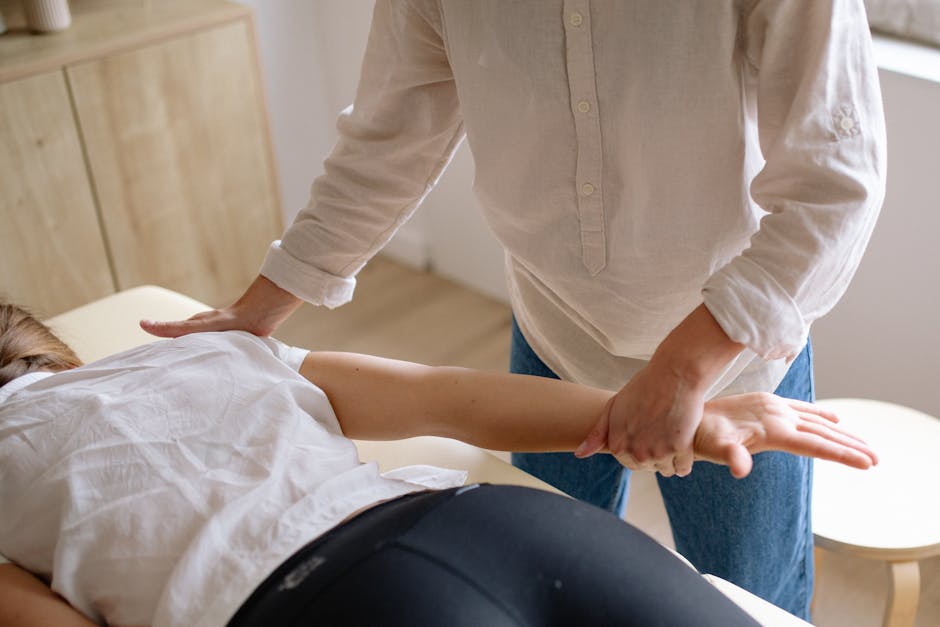
Whether you’re an Eastchester resident with a busy lifestyle or someone who enjoys the scenic walking trails around Lake Isle, you probably care about your health and comfort. Many locals turn to chiropractic care to help manage back pain, neck tension, headaches, or general wellness. However, it’s not unusual for patients to ask, "Is it normal to feel sore after a chiropractic adjustment?" If you’ve recently had an adjustment or are considering one, understanding what’s “normal” and when to be concerned can help you navigate your path to feeling your best.
Understanding Chiropractic Adjustments
Chiropractic adjustments aim to improve spinal alignment and restore normal joint function. During an adjustment, a chiropractor uses precise, controlled force to manipulate a joint, often resulting in a popping sound (called cavitation).
Common reasons people around Eastchester seek chiropractic care include:
- Back and neck pain from hours at a desk job in nearby White Plains
- Stiffness from recreational activities at Twin Lakes Park
- Sports-related injuries from Eastchester youth leagues
Why Soreness Can Occur After an Adjustment
Soreness after a chiropractic adjustment is relatively common and, in most cases, nothing to worry about. Here’s why:
- Muscle Adaptation: Your muscles and ligaments have to adjust to a new, healthier alignment. Like starting a new workout routine at Lake Isle Country Club, your body may feel achy as it adapts.
- Release of Tension: Adjustments can release built-up tension within your muscles. This sudden change may temporarily result in mild inflammation or soreness, very similar to what you might feel after a strenuous hike in Dunwoodie Park.
- Increased Circulation: Adjustments increase blood flow to certain areas, which can help healing but might feel slightly uncomfortable as your body flushes out toxins and waste products.
What Does “Normal” Soreness Feel Like?
- Mild to Moderate: Most people experience dull soreness or a gentle ache, lasting from a few hours up to 48 hours.
- Localized: Soreness is usually felt around the area that was adjusted.
- Similar to Exercise Soreness: Think of it as the kind of discomfort you might feel after playing a few hours of tennis at Leewood Golf Club or gardening in your Eastchester backyard.
When Should You Be Concerned?
While mild soreness is normal, certain symptoms are not. Contact your chiropractor immediately if you experience:
- Severe or escalating pain
- Numbness or tingling, especially in the limbs
- Loss of strength or function
- Signs of significant swelling, redness, or warmth
Severe reactions are rare, but it’s always better to be cautious. Trusted Eastchester chiropractors emphasize open communication to ensure every patient feels comfortable with post-adjustment sensations.
How to Relieve Soreness After an Adjustment
You don’t have to simply wait out discomfort. Here are a few tips that fit well with the active Eastchester lifestyle:
- Stay Hydrated: Drinking plenty of water, especially after spending an afternoon at Bicentennial Park, helps your body flush out toxins and recover faster.
- Gentle Movement: Light walking or mild stretching on the Bronx River Pathway can keep your joints mobile and reduce stiffness.
- Ice or Heat: Applying a cold pack to the sore area for 10–15 minutes can lessen inflammation. Some people find gentle heat (like a warm towel) helps relax muscles.
- Rest: Give your body time to adjust, particularly if you normally have a packed schedule balancing work, family, and social events in Eastchester.
What If the Soreness Persists?
Soreness typically resolves in a day or two. If it doesn’t, reach out to your chiropractor. Persistent pain may mean you need adjustments to your treatment plan or that there’s an underlying issue that needs addressing. Understanding your personal baseline is important—Eastchester’s health-conscious community thrives on prevention and informed care.
Preventing Soreness: Tips for Future Adjustments
- Communicate: Always tell your chiropractor about new or lingering discomfort.
- Stay Active Between Visits: Regular walks along local parks can help keep your spine and joints healthy.
- Follow Home Care: Your chiropractor may recommend stretches, strengthening exercises, or posture corrections—these can help reduce post-treatment soreness.
- Plan Your Schedule: Try not to overbook yourself on adjustment days. Allow some time to rest and recover, especially if you’re new to chiropractic care.
The Bigger Picture: Benefits Outweigh the Temporary Discomfort
For many Eastchester residents, the occasional soreness is a minor tradeoff for the potential benefits of chiropractic care: relief from pain, improved mobility, and better quality of life. Staying proactive with wellness care and being attentive to your body’s response helps you get the most out of each visit.
In Summary
Feeling sore after a chiropractic adjustment is usually normal and temporary, akin to the muscle discomfort you might feel after a physically active weekend in Eastchester. With good self-care and open communication with your chiropractor, you’ll be back to enjoying your favorite activities—pain-free and feeling better than before.
If you have questions or are unsure about your symptoms, always consult a licensed chiropractor in Eastchester for personalized guidance.
