
 See Our Latest Article on HelloNation
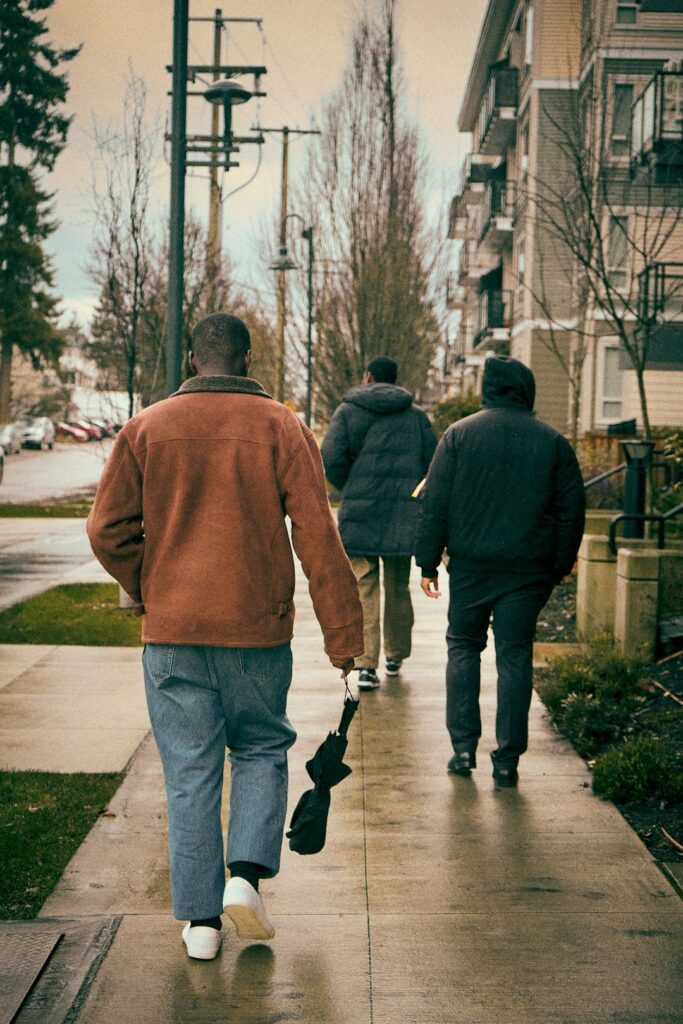
Foot pain and spinal alignment are connected mainly through movement. When a person avoids putting weight on a sore heel, arch, toe, or ankle, walking patterns can change. Over time, those changes may increase stress in the knees, hips, pelvis, or lower back.
That does not mean every foot problem causes a spinal disorder, or that a visibly “uneven” posture is automatically harmful. The relationship is more practical: pain changes movement, and repeated movement changes can affect how the body shares load.
Can foot pain really affect the spine?
Yes, foot pain can influence the spine indirectly by changing gait, balance, and muscle use.
A typical walking pattern involves a sequence of contact through the heel, midfoot, and forefoot, followed by a push-off through the toes. Pain in any of these areas may cause a person to:
- Land more heavily on one side
- Take shorter steps
- Turn the foot outward
- Avoid pushing off the toes
- Lean the trunk away from the painful side
- Walk with a limp
These adjustments may reduce discomfort in the short term. However, if they continue for weeks or months, the pelvis and lower back may repeatedly rotate or tilt in response. Muscles on one side may work harder, while other muscles become less active.
The result is not necessarily a permanent spinal misalignment. It is more often a pattern of altered loading and coordination.
What is the role of the arch and foot position?
The arch helps the foot absorb force and adapt to the ground. During walking, the foot naturally moves through a combination of pronation and supination. These are normal motions, but problems can arise when movement is excessive, poorly controlled, painful, or limited.
A foot that rolls inward substantially may be associated with changes higher in the leg, including inward rotation of the shin and thigh. A rigid or painful foot may do the opposite by transferring more force upward rather than absorbing it well.
These changes can influence the knee, hip, and pelvis. Because the pelvis connects mechanically with the lumbar spine, altered leg movement may affect how the lower back moves during walking, standing, or climbing stairs.
Still, foot posture alone does not explain back pain. Many people have flat feet, high arches, or pronation without symptoms. Foot structure becomes more relevant when it is combined with pain, weakness, limited motion, poor balance, or a noticeable change in walking.
Why might heel pain lead to back discomfort?
Heel pain often causes people to avoid the heel during walking. Someone may place the foot down more gently, shift weight toward the forefoot, or shorten the painful side’s stride.
That may increase tension in the calf and change how the ankle bends. The knee and hip then have to accommodate the altered step. Some people also lean forward or to one side to reduce pressure on the heel.
In a community where residents may walk on sidewalks, use stairs, commute on foot, or spend time outdoors during changing seasonal conditions, these small adaptations can be repeated many times each day. Winter footwear, reduced outdoor activity, and slippery surfaces may further encourage cautious, stiff, or uneven walking.
Can spinal problems cause foot pain instead?
Yes. The connection can also run from the spine toward the foot.
Nerves leaving the lower back travel through the pelvis and leg. Irritation of these nerves may cause symptoms such as:
- Burning or electric pain
- Tingling or numbness
- Weakness in the foot or ankle
- Difficulty lifting the front of the foot
- Pain that travels from the back or buttock down the leg
This type of symptom may be mistaken for a local foot condition. For example, numbness along the sole or outer edge of the foot is not explained by plantar fascia irritation alone. Likewise, weakness that causes the toes to drag may point toward a nerve or muscle problem rather than a simple arch issue.
Pain location matters, but the pattern matters just as much. Foot pain that changes with sitting, coughing, bending, or the position of the back deserves a broader assessment than pain caused only by standing in a particular shoe.
Does “spinal alignment” explain all posture-related pain?
No. The phrase “spinal alignment” can be useful when discussing balance and movement, but it is sometimes presented too simply.
There is no single perfect posture that prevents all pain. People can have visible curves, uneven shoulders, or flat feet without symptoms. Conversely, someone with a seemingly symmetrical posture can still have significant pain.
Pain is influenced by several factors, including tissue irritation, strength, joint mobility, sleep, stress, activity level, previous injury, and the nervous system’s sensitivity. A foot problem may be one contributor rather than the sole cause.
The most useful question is often not, “Is the spine perfectly aligned?” but, “Which movements increase symptoms, and how is the body compensating?”
What can residents observe at home?
A simple movement check may provide helpful information, although it cannot diagnose the cause.
Notice whether:
- One shoe wears down much faster than the other
- The arch collapses or becomes painful after standing
- One foot turns outward during walking
- A limp appears only after several minutes of activity
- Back discomfort increases after foot pain begins
- The painful foot feels weak, numb, or unstable
- Walking barefoot differs significantly from walking in shoes

It can also help to compare walking on level indoor flooring with walking outdoors. Uneven pavement, hills, stairs, and slippery winter conditions may reveal compensations that are not obvious during a brief walk across a room.
What practical steps may reduce the strain?
The first step is to avoid repeatedly provoking the painful movement. Temporary adjustments may include reducing high-impact activity, alternating periods of standing and sitting, and choosing footwear that feels stable and does not compress a painful area.
Gentle mobility and strengthening can also be useful, depending on the problem. Common areas to evaluate include:
- Calf flexibility
- Ankle movement
- Toe and foot muscle control
- Hip strength
- Balance on one leg
- Comfortable trunk and pelvic movement
Foot supports are not automatically necessary for everyone. They may help some people, but the fit, design, and reason for using them matter. A device that feels uncomfortable or changes walking too abruptly can create new irritation.
For residents spending more time indoors during cold weather, maintaining basic ankle, calf, hip, and balance exercises may help prevent stiffness from becoming a larger movement problem. Exercises should remain comfortable and should not produce increasing numbness, weakness, or sharp pain.
When should foot and back symptoms be evaluated?
Persistent foot pain, recurring limping, or back pain that does not settle with reasonable activity modification deserves medical evaluation. Assessment is especially appropriate when symptoms are worsening or interfering with sleep, walking, work, or daily household tasks.
Prompt attention is warranted for:
- Inability to bear weight
- Major swelling or deformity after an injury
- Fever, warmth, redness, or a wound
- New or progressive numbness
- Significant leg or foot weakness
- Loss of bladder or bowel control
- Numbness in the groin or saddle area
A careful evaluation may consider the foot, ankle, knee, hip, pelvis, and spine rather than focusing only on the spot that hurts. The goal is to determine whether the main issue is local foot tissue, altered gait, nerve involvement, or a combination of factors.
Understanding the full movement chain can prevent a common mistake: treating the foot and back as unrelated when each may be influencing the other.
