
 See Our Latest Article on HelloNation
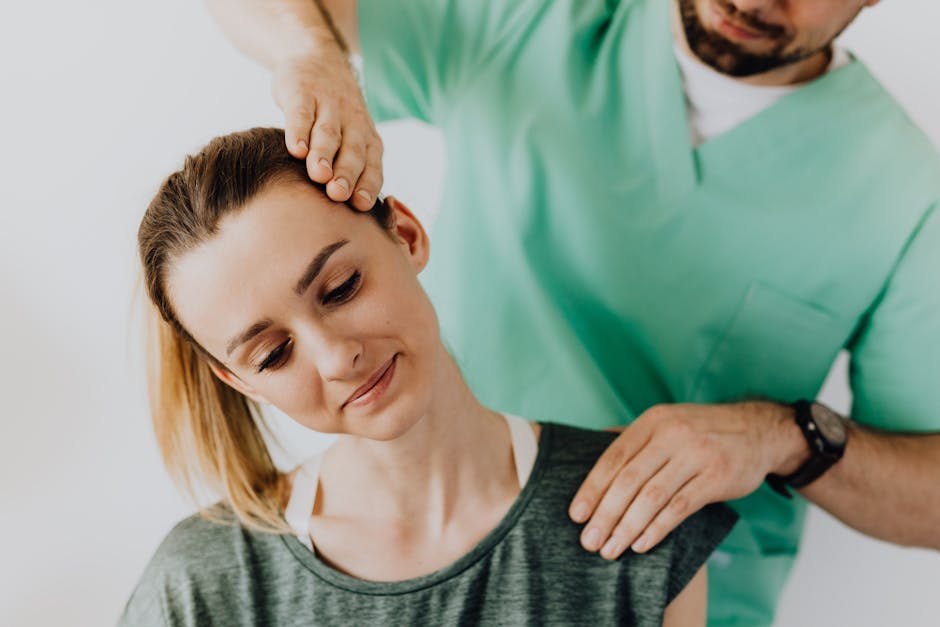
Living in Eastchester, NY means enjoying a vibrant community supported by local businesses, excellent schools, and a lifestyle that values wellness and activity. Yet, many Eastchester residents experience unexplained jaw pain, neck stiffness, or headaches that interfere with their daily routines—from commuting on the Metro-North to running errands on White Plains Road. Surprisingly, there is a strong connection between jaw pain and spinal health—a relationship that is often overlooked.
Understanding Jaw Pain: More Than Just TMJ
Jaw pain is frequently attributed to problems with the temporomandibular joint (TMJ), the hinge that connects your jawbone to your skull. TMJ disorders can cause:
- Clicking or popping noises in the jaw
- Difficulty chewing or opening the mouth
- Persistent pain around the jaw, neck, or ears
TMJ disorders are quite common, especially in communities like Eastchester where stress, busy schedules, and long hours spent at computers or mobile devices are all too familiar.
How Jaw Pain Is Connected to Your Spine
Your jaw and your spine work together more closely than most people realize. Here’s how:
- Shared Muscles and Nerves: The muscles controlling your jaw, neck, and upper back are interconnected. The trigeminal nerve, which serves the face and jaw, is closely linked to nerves running down the cervical spine (neck).
- Posture Problems: Poor posture, common among Eastchester’s professionals and students, can lead to misalignments in the spine. Slouching, especially while sitting at a desk or looking at a phone, strains the neck and upper back. This tension can radiate up to the jaw, increasing discomfort and dysfunction.
- Compensatory Movement: When your jaw doesn’t move smoothly, other parts of your body may compensate. For example, a misaligned jaw can affect your head position, which can, in turn, shift how you hold your neck and shoulders, putting stress on your spine.
Signs Your Jaw Pain May Be Related to Spinal Problems
Wondering if your jaw pain could be related to your spine? Look for these signs:
- Jaw pain accompanied by neck, shoulder, or upper back pain
- Headaches that start in the neck and move up to the temples or jaw
- Difficulty turning your head side to side
- Tingling or numbness in your face, hands, or arms
Residents in Eastchester who work in office settings, commute regularly, or enjoy athletic activities are all at risk of developing these interconnected symptoms due to lifestyle factors and ergonomic challenges.
Why Addressing Both the Jaw and Spine Matters
If you only treat the jaw without considering the spine, you might never achieve true relief. Here’s why a more holistic approach is essential:
- Root Cause vs. Symptoms: Addressing just the jaw often relieves symptoms temporarily, but if spinal misalignments persist, jaw pain usually returns.
- Whole-Body Wellness: Correcting spinal issues can relieve pressure on nerves and muscles, improving not only jaw function but also posture, balance, and overall well-being.
- Less Recurrence: Patients who address both spinal and jaw health typically see longer-lasting results and experience fewer flare-ups.
What Chiropractic Care Offers for Jaw and Spine Health
Chiropractors in Eastchester are uniquely positioned to understand the interplay between the jaw and spine. With advanced diagnostic tools and holistic treatment protocols, a chiropractic approach may include:
- Careful evaluation of posture and spinal alignment
- Gentle spinal adjustments to relieve nerve irritation
- Focused therapies for the jaw, using mobilization or soft tissue techniques
- Education on ergonomics—important for Eastchester’s work-from-home professionals and students
- At-home exercises to strengthen neck, back, and jaw muscles
This comprehensive approach ensures the underlying issues are addressed—not just the symptoms.
Everyday Tips for Eastchester Residents
Busy Eastchester lifestyles can put strain on both the jaw and spine. Here are some ways locals can reduce risks:
- Check Your Posture: Whether you’re working remotely from a Bronxville café or watching the kids at Lake Isle Park, maintain a straight back and keep screens at eye level.
- Manage Stress: Mindfulness, yoga, and regular walks along the Bronx River Pathway can reduce jaw clenching and muscle tension.
- Avoid Chewing Gum: Repetitive jaw movement can exacerbate TMJ symptoms.
- Consider Ergonomics: Invest in supportive chairs and desks, especially if working long hours from home or the office.
- Take Breaks: Eastchester students and professionals should schedule regular breaks to stretch their neck, shoulders, and jaw.
When to Seek Help
If you live in Eastchester and notice persistent jaw pain, headaches, or neck stiffness that won’t resolve or keeps coming back, it may be time to see a professional. Early intervention can prevent minor discomfort from developing into chronic pain.
Remember, ignoring symptoms can lead to:
- Reduced quality of life and productivity
- Interrupted sleep due to pain or discomfort
- Long-term joint or spinal issues
Final Thoughts
For Eastchester residents, jaw pain isn’t something to simply “put up with” or blame on stress. Given the close connection between the jaw and spinal health, a compassionate, holistic approach that looks at the whole body is essential for true relief. Whether your symptoms are new or have bothered you for years, understanding the link between the jaw and spine is the first step toward lasting improvement—and a healthier, more active Eastchester lifestyle.
